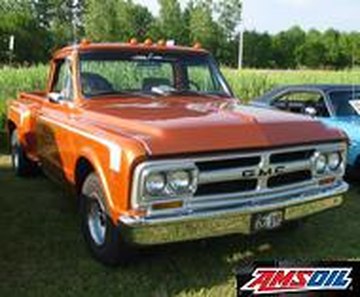
Lubrication Maintenance for the 1982 Gmc Trucks C2500 7.4L
Maintaining a large-displacement engine like the 7.4L found in the 1982 Gmc Trucks C2500 requires consistent attention to lubrication standards and fluid integrity. Because these engines are designed for significant work capacity, the quality of the oil used and the frequency of inspections play a vital role in long-term engine health.
Monitoring Fluid Integrity and Potential Leaks
A primary aspect of routine service for this vehicle involves regular visual inspections of the engine compartment. Over time, various components may experience changes in their sealing capabilities. It is useful to inspect the area around the engine for any signs of fluid seepage or active leakage. If you notice wetness on the underside of the engine or staining on the driveway where the truck is parked, these are indicators that warrants further investigation.
When performing an inspection, look closely at various gaskets and seals. While some level of very light seepage can occur as components age, any significant accumulation of fluid should be addressed to prevent loss of lubrication levels. Additionally, checking for signs of previous maintenance neglect is helpful; for example, heavily stained or dirty engine areas may suggest that past oil changes were not performed according to a consistent schedule.
Observing Changes in Engine Operation
Beyond visual inspections, an owner should remain attentive to how the vehicle behaves during operation. Changes in performance can often be early indicators of lubrication-related issues. While many symptoms can have multiple underlying causes, certain observations should prompt a closer look at the engine's oiling system:
- Unusual Noises: Any new mechanical sounds or rhythmic tapping that occurs during engine operation may indicate that lubrication is not reaching critical components effectively.
- Changes in Fluid Appearance: If you are checking the oil level manually, pay attention to the color and texture of the lubricant. Extremely dark, gritty, or thickened oil can be a sign of heavy contamination or extended service intervals.
- Exhaust Observations: While exhaust smoke can stem from many different sources, certain types of smoke may be associated with how the engine is managing its internal fluids.
- Warning Indicators: If the vehicle is equipped with oil-related warning lights or gauges, any deviation from normal readings requires immediate attention to prevent potential damage.
It is important to remember that these symptoms are not definitive diagnoses of a specific part failure. Instead, they serve as signals that the engine's lubrication state should be investigated by a qualified technician.
Managing Maintenance Records and Baselines
For owners of a 1982 Gmc Trucks C2500, establishing a clear maintenance baseline is one of the most effective ways to manage long-term ownership. If you have recently acquired the vehicle and do not have access to its full service history, your first priority should be to document its current condition. This includes noting the current state of all fluids, the condition of visible hoses (if present), and any existing leaks.
Keeping a detailed log of every oil change, filter replacement, and mechanical repair provides several advantages:
- Tracking Trends: You can identify if the engine is consuming more oil over time or if certain components are requiring more frequent attention.
- Informed Decision Making: Having a history of what has been replaced allows you to distinguish between necessary preventive maintenance and unnecessary parts replacement.
- Value Preservation: A well-documented service history demonstrates that the vehicle has been treated with consistent care, which is valuable for long-term ownership.
When records are incomplete, do not feel pressured to replace components based solely on their age. Instead, use the current physical condition of the parts and the documented service history to prioritize what needs attention first.
Inspecting Auxiliary Engine Components
While focusing on oil is critical, a comprehensive maintenance approach includes inspecting other engine-adjacent systems. If equipped, accessible drive belts should be checked for signs of wear such as cracking, glazing, or fraying. Similarly, if the vehicle has various hoses present, inspect them for brittleness, swelling, or leaks. These components often work in tandem with the engine's thermal management and lubrication needs.
Electrical connections and wiring harnesses should also be inspected for signs of corrosion or heat damage. Ensuring that sensors and electrical connectors are clean and secure helps maintain the accuracy of any monitoring systems the vehicle uses to track engine health.
Prioritizing Service Tasks as the Vehicle Ages
As a vehicle from the early 1980s continues to be operated, maintenance priorities may shift. Rather than following a generic checklist, an effective strategy is to prioritize tasks based on active observations. Addressing an active leak or a noticeable change in fluid consumption should take precedence over routine cosmetic or non-essential repairs.
Monitoring the condition of aging materials—such as rubber seals and plastic connectors—is a proactive way to manage maintenance. However, always distinguish between "preventive" care (replacing a part that is showing clear signs of deterioration) and "reactive" care (addressing a failure after it occurs). By focusing on the actual condition of the 7.4L engine components rather than just the calendar year, you can manage maintenance costs more effectively while ensuring the truck remains reliable.
Practical Advice for Buying Engine Oil for your 1982 Gmc Trucks C2500 7.4L
When it is time to replenish your engine's lubricant, the most important step is to ensure the product matches the specific requirements of your application. Do not rely on general knowledge or assumptions based on the age of the truck; instead, match the engine oil to the application-specific viscosity information already displayed on this webpage.
Before making a purchase, carefully review the product labeling to confirm it meets the necessary quality standards and certifications. Depending on your specific needs and the current condition of your engine, you may encounter various options, including:
- Conventional Formulations: Standard mineral-based oils.
- Synthetic Blends: A combination of conventional and synthetic oils.
- Full Synthetic Oils: Highly engineered lubricants often used for improved thermal stability.
- High-Mileage Formulations: Some formulations contain additives intended for use in aging engines, including seal-conditioning additives that may help manage older seals.
Always verify that the oil you select is compatible with the information provided in your vehicle's documentation and the specific details listed on this page to ensure optimal protection for your 7.4L engine.